8 Aug 2026
Adaptations in Poker Equipment for Low-Light Recreational Environments
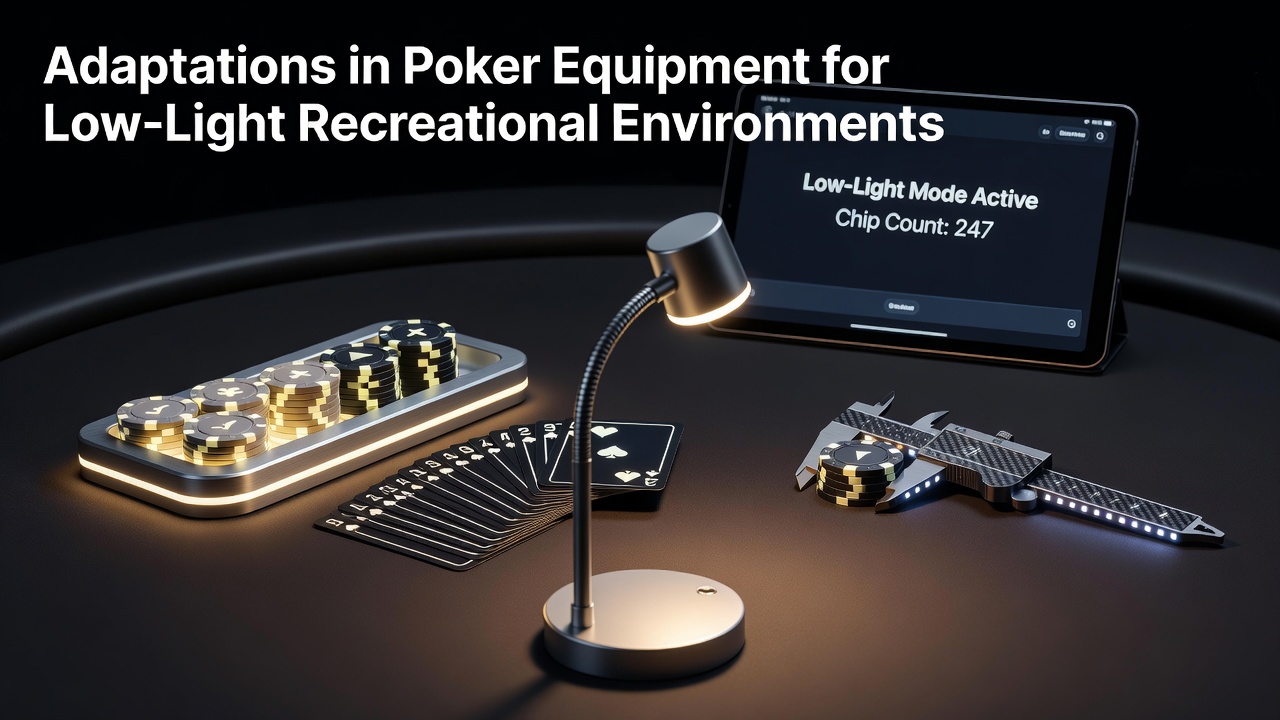
Recreational poker sessions often take place in environments where standard lighting falls short, whether that means basement game rooms with single overhead bulbs, outdoor patios after sunset, or bars that keep illumination low to create atmosphere, and equipment manufacturers have responded with targeted modifications that maintain visibility without altering core gameplay mechanics.
Chip sets designed for these conditions incorporate edge markings that use phosphorescent compounds which absorb ambient light and emit a soft glow for several hours, allowing players to distinguish denominations even when overhead fixtures remain dimmed, while the base clay or composite material stays consistent with tournament standards set by regulatory bodies such as the Nevada Gaming Control Board.
Card and Deck Modifications
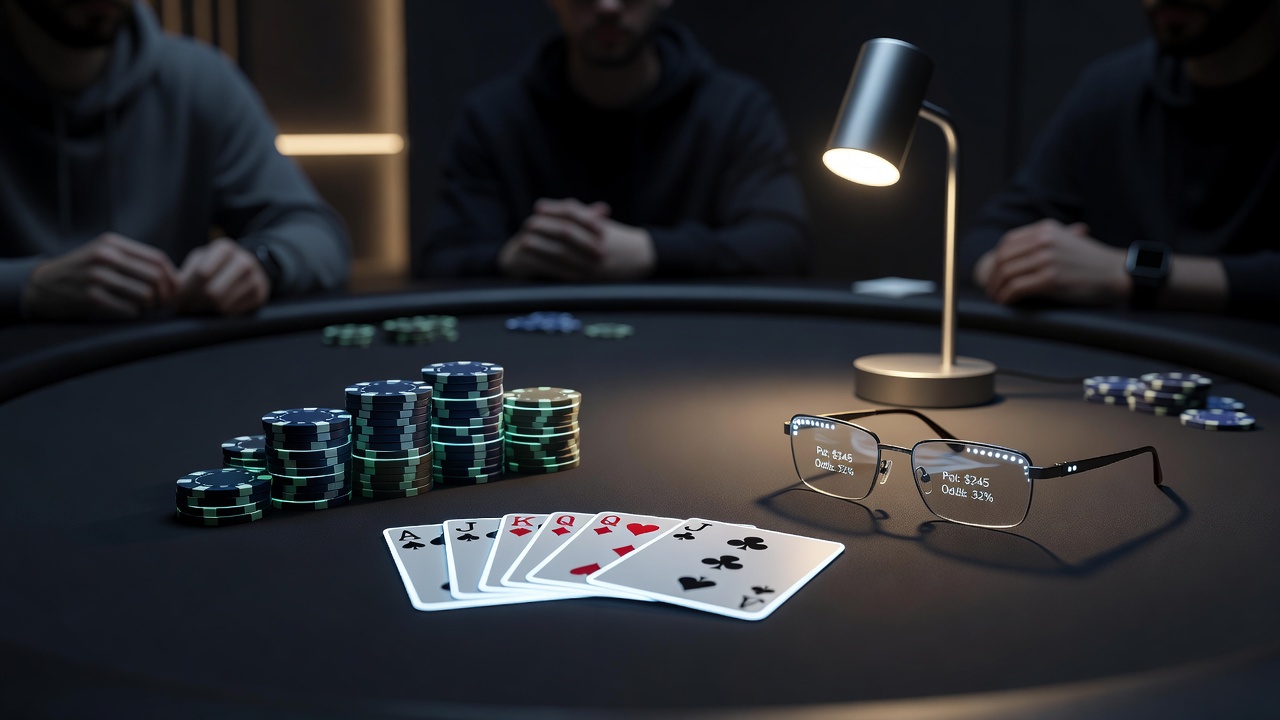
Standard playing cards receive treatments that enhance contrast under reduced light, including index sizes enlarged by 15 to 20 percent on both faces and backs, alongside ink formulations that reflect available light more efficiently than traditional dyes, and some producers apply micro-textured finishes that catch sidelight from nearby lamps or smartphone screens without creating glare that interferes with reading suits and ranks during extended hands.
Dealers and hosts in low-light venues report fewer misreads when using these decks, particularly during multi-hour sessions where eye fatigue becomes a factor, and data from equipment suppliers indicates that adoption rates for contrast-enhanced cards rose steadily through 2025 into the summer of 2026 as more home-game organizers sought consistent play conditions regardless of room lighting.
Table Surface and Border Enhancements
Poker mats and table surfaces adapted for low-light settings feature border strips embedded with reflective threads or low-lumen LED strips powered by compact rechargeable batteries, creating a defined perimeter that helps players track chip stacks and card placement without flooding the entire playing area with bright light, and these additions integrate with existing speed cloth or felt constructions so that roll characteristics for dice or card sliding remain unchanged from daytime setups.
Accessory Integration and Shuffler Features
Automatic shufflers used in recreational environments now include models with built-in task lighting positioned over the card tray, delivering focused illumination only where needed while the rest of the table stays in shadow, and these units often pair with UV-reactive chip trays that allow quick visual confirmation of stack values when a small blacklight wand passes over them briefly during breaks.
Industry reports from the European Gaming and Amusement Association note that such hybrid accessories have seen increased distribution in private clubs and tournament side events throughout 2026, particularly where venues prioritize energy efficiency and minimal disruption to ambient mood lighting.
Material Durability Under Varied Conditions
Longevity testing conducted by independent laboratories shows that phosphorescent and reflective treatments withstand repeated handling and cleaning cycles when formulated with protective coatings, maintaining performance across temperature fluctuations common in outdoor or garage settings, and suppliers emphasize that these adaptations function as modular upgrades rather than replacements for standard equipment lines.
Players who rotate between well-lit casino floors and home environments find that carrying a small set of adapted chips and one enhanced deck provides flexibility without requiring complete equipment overhauls for every session.
Conclusion
Equipment adaptations for low-light recreational poker center on visibility enhancements that preserve the tactile and mechanical properties players expect from traditional components, with ongoing refinements driven by feedback from both casual groups and organized events as of August 2026. These changes allow sessions to continue smoothly across diverse settings while meeting practical requirements for accurate card and chip identification.