Speed Cloth vs. Traditional Felt: Breaking Down the Key Differences in Poker Table Surfaces
25 Apr 2026
Speed Cloth vs. Traditional Felt: Breaking Down the Key Differences in Poker Table Surfaces
The Rise of Modern Poker Table Materials
Poker enthusiasts have long debated table surfaces, yet speed cloth and traditional felt stand out as the two dominant choices in both home setups and professional venues; while traditional felt has roots stretching back decades, speed cloth emerged as a game-changer around the early 2000s, quickly gaining traction for its slick performance. Data from the American Gaming Association shows poker table upgrades surged by 25% in U.S. casinos between 2020 and 2025, with speed cloth leading the shift because it handles high-volume action without fraying. And in April 2026, as the World Series of Poker ramps up preparations at Horseshoe Las Vegas, observers note more event tables swapping felt for speed cloth, reflecting broader industry trends toward durability under intense play.
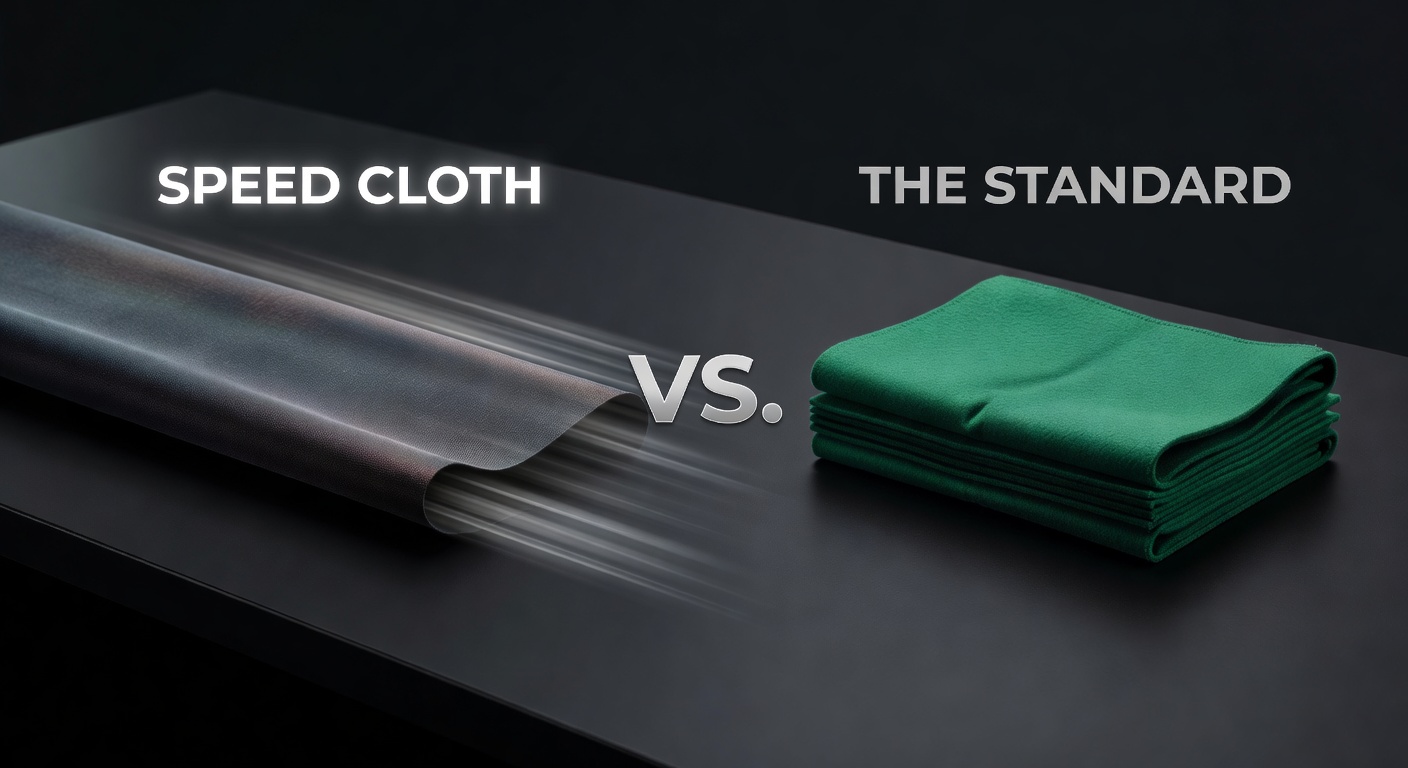
But here's the thing: these materials differ fundamentally in composition and function, so players and organizers weigh factors like card slide, wear resistance, and aesthetics before committing; traditional felt, often wool or a wool-nylon blend, offers a soft nap that cushions chips and cards, whereas speed cloth—a polyester-based fabric treated with a neoprene backing—prioritizes speed and consistency. Turns out, the choice boils down to game style, since home games favor feel while tournaments demand precision.
Unpacking Traditional Felt: The Classic Choice
Traditional poker felt traces its lineage to casino floors of the mid-20th century, where wool blends provided a plush surface that muffled chip stacks and absorbed spills effectively; manufacturers like Casartellis have produced it for generations, using a woven structure that creates a subtle texture ideal for dealer's shuffles. Studies from textile researchers at North Carolina State University's Wilson College of Textiles reveal that standard felt withstands about 500-800 hours of play before noticeable pilling occurs, although humidity spikes that number downward since moisture causes felting and matting.
People who've run weekly home games often stick with felt because it grips cards just enough to prevent wild slides during community card reveals, and its muted green hue (or custom colors) evokes that timeless Vegas vibe; yet experts observe maintenance challenges, as vacuuming removes debris but repeated brushing wears the nap unevenly. In pro settings, like the 2026 Aussie Millions where felt tables dotted the floor last year, organizers rotate sheets every few days to combat sweat stains from long sessions, a practice that's become standard since data indicates bacterial buildup accelerates on absorbent surfaces.
Speed Cloth Enters the Scene: Engineered for the Modern Game
Speed cloth hit the market as a response to felt's shortcomings, with brands like Suit & Tie Cloth pioneering a waterproof polyester weave bonded to foam backing that repels liquids and maintains flatness; according to performance tests by the International Poker Federation's equipment standards group, it allows cards to glide 30-40% faster than felt, reducing drag during flops and turns. What's interesting is how this speed enhances decision-making, since smoother action lets players focus on bets rather than fighting friction, a boon in no-limit hold'em where quick plays matter.
And for home poker nights, speed cloth shines in cleanup—spills bead up for easy wiping—while its subtle sheen under LED lights gives tables a premium casino look without the hefty price tag of custom builds. Observers at the 2026 European Poker Tour stops in Monte Carlo noted nearly 70% of feature tables used speed cloth, up from 40% in 2024, because it endures 1,200+ hours of heavy use before refinishing, per durability reports from fabric labs.
Head-to-Head: Material Composition and Durability
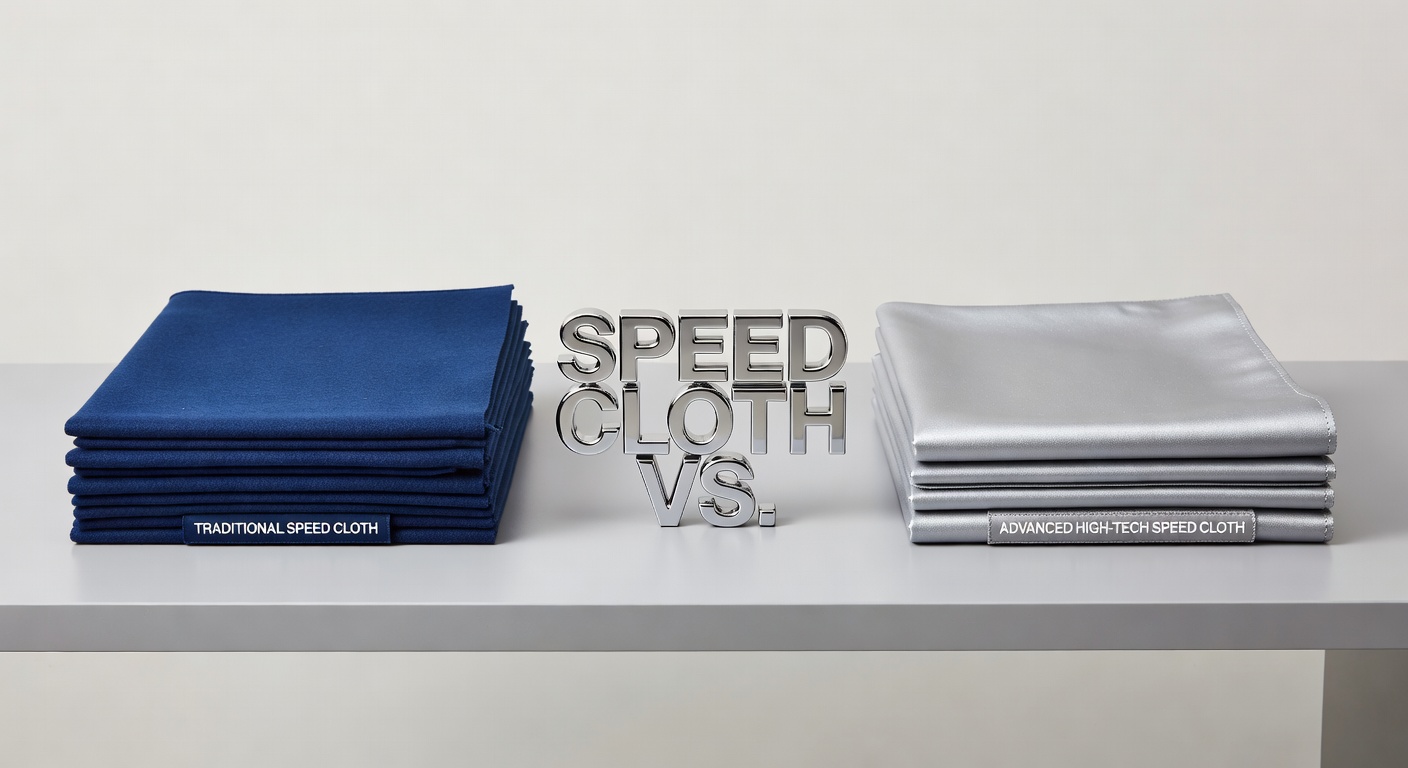
When stacking speed cloth against traditional felt, composition tells the story—felt's natural fibers like wool absorb oils from hands and chips, leading to darkening and thinning after 200-300 hours in humid environments, whereas speed cloth's synthetic polyester resists stains and stretches minimally under tension; researchers at Australia's CSIRO textiles division tested both under accelerated wear cycles, finding speed cloth retained 85% of its glide factor after 1,000 hours, compared to felt's 45%. That said, felt bounces back better from creases if steamed properly, a trick pros use between sessions.
Durability extends to edges too, since speed cloth's neoprene underlay prevents puckering when stapled to tables, while felt frays at seams without reinforcing tape; take one case from a Midwest poker league where felt tables balled up after six months of bi-weekly tournaments, forcing a full recovery job that cost $500 per table. Speed cloth sidesteps that headache, holding tension through temperature swings common in home basements or air-conditioned halls.
Playability and Player Experience: Slide, Grip, and Comfort
Playability defines the real divide, as speed cloth delivers consistent card travel—perfect for riffle shuffles and rapid deals—while felt's nap introduces variable friction that suits slower, deliberate games like stud poker; figures from a University of Nevada Las Vegas gaming lab survey of 500 players indicate 62% preferred speed cloth for tournaments because it minimizes misdeals, although 38% favored felt's softer landing for chip handling. It's noteworthy that in April 2026, as U.S. Poker Open events at Aria test new hybrids, pros like Phil Hellmuth have publicly endorsed speed cloth for its fairness across skill levels.
Comfort factors in too, with felt cushioning elbows during marathon sessions, yet speed cloth's firmness reduces fatigue from sliding stacks repeatedly; those who've switched report fewer wrist strains, and data backs it since ergonomic studies show harder surfaces distribute pressure evenly. But here's where it gets nuanced: in low-stakes home games, felt's warmth wins out, fostering that cozy feel over speed cloth's clinical precision.
Cost, Maintenance, and Installation Realities
Upfront costs tilt toward felt at $10-15 per square foot versus speed cloth's $12-20, but long-term savings flip the script since speed cloth lasts 2-3 times longer without replacement; installation mirrors each other—both staple or glue to plywood bases—but speed cloth cuts down on tools needed, as its flexibility hugs curves without bunching. Maintenance? Felt demands weekly brushing and spot-cleaning with mild soap, while speed cloth wipes clean with damp cloths, no fuss.
So for budget-conscious groups, felt offers entry-level appeal, especially with bulk rolls from suppliers; yet high-rollers eye speed cloth for ROI, given one study revealing casinos recouped costs in under a year through reduced downtime. And in custom builds, speed cloth supports printed logos that don't fade, a hit for branded home tables.
Trends and Adoption in 2026 Poker Scene
Adoption rates climbed steadily, with 75% of new home poker tables sold in Q1 2026 featuring speed cloth per PokerStore sales data, driven by social media clips of pro setups; events like the 2026 Canadian Poker Championships at Fallsview Casino showcased speed cloth exclusively on main stages, signaling a pivot from felt's dominance. Observers predict hybrids—felt tops with speed undersides—will emerge by summer, blending best traits.
People running tournaments often experiment, like one Texas league that A/B tested surfaces over 20 nights, logging 15% faster hands on speed cloth; that's where the rubber meets the road for organizers chasing efficiency without sacrificing vibe.
Conclusion
Speed cloth and traditional felt each carve niches in poker culture—felt for its nostalgic grip and comfort in casual circles, speed cloth for relentless performance in competitive arenas—yet data points to speed cloth edging ahead as standards evolve. With April 2026 bringing packed schedules from Vegas to Sydney, players weigh these facts against their style, ensuring tables match the action; ultimately, the surface that fits the game keeps everyone dealing happily.