30 Jul 2026
Sustainability Practices Adopted by Manufacturers of Felt Mats and Chip Cases in the Poker Industry
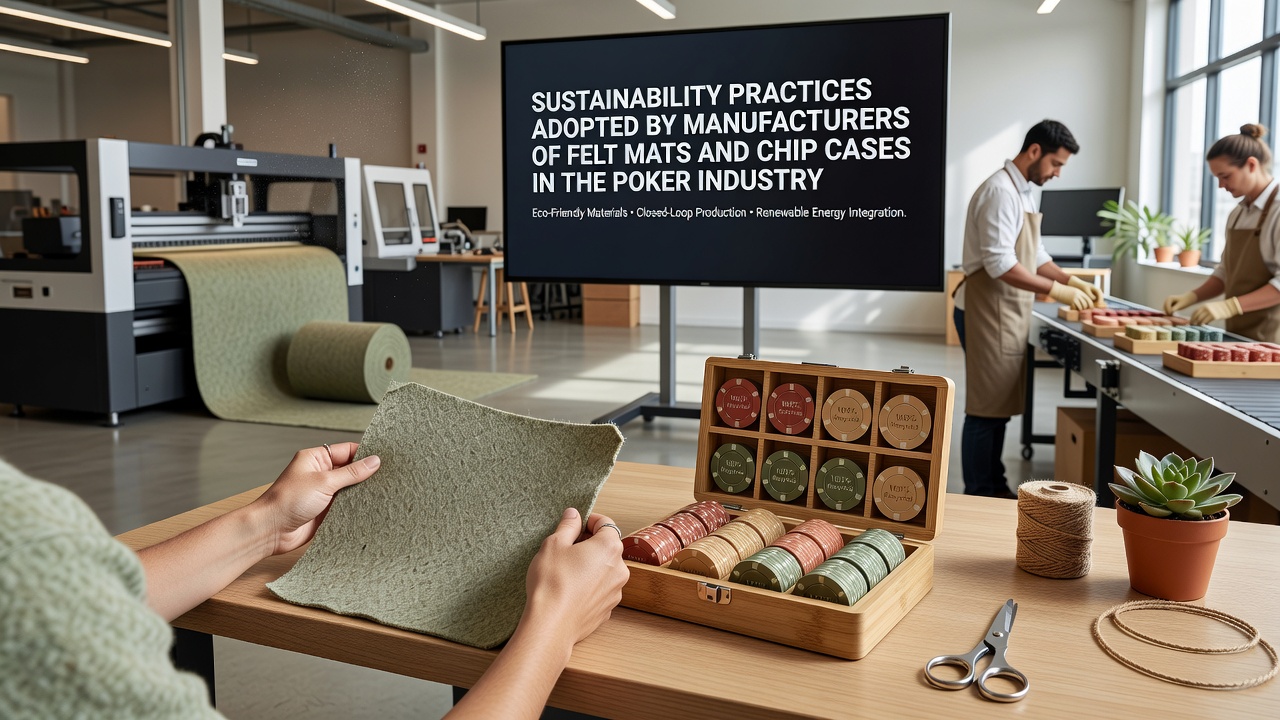
Manufacturers of felt mats and chip cases in the poker industry have shifted toward practices that reduce environmental impact while maintaining product durability for tournament and home use. These changes include sourcing recycled fibers for mats along with incorporating post-consumer plastics in case construction, and data from industry reports show measurable decreases in virgin material consumption across major production facilities.
Material Sourcing for Felt Mats
Producers now prioritize fibers derived from recycled polyester bottles and post-industrial textile waste when creating the surface layers of poker mats. This approach replaces traditional petroleum-based inputs in many lines, and facilities track these substitutions through supply chain audits that verify percentages of recycled content. Researchers at textile engineering programs note that such fibers maintain the required friction and resilience for card handling while cutting water usage during dyeing stages by up to 40 percent compared with conventional methods.
Some operations also adopt waterless coloring techniques that rely on supercritical carbon dioxide instead of aqueous baths, and this method eliminates wastewater discharge common in older plants. Figures from the U.S. Environmental Protection Agency indicate that similar textile processes have lowered overall energy demands in comparable manufacturing sectors since 2023.
Chip Case Production Adjustments
Chip case manufacturers focus on molded components made from recycled polypropylene and ABS plastics collected from consumer electronics waste streams. Molding lines now integrate closed-loop systems that grind and reprocess scrap generated during production, which keeps internal waste rates below 5 percent in several documented facilities. These practices extend to hardware elements such as hinges and latches, where suppliers provide certified recycled metals that meet strength standards required for repeated transport.
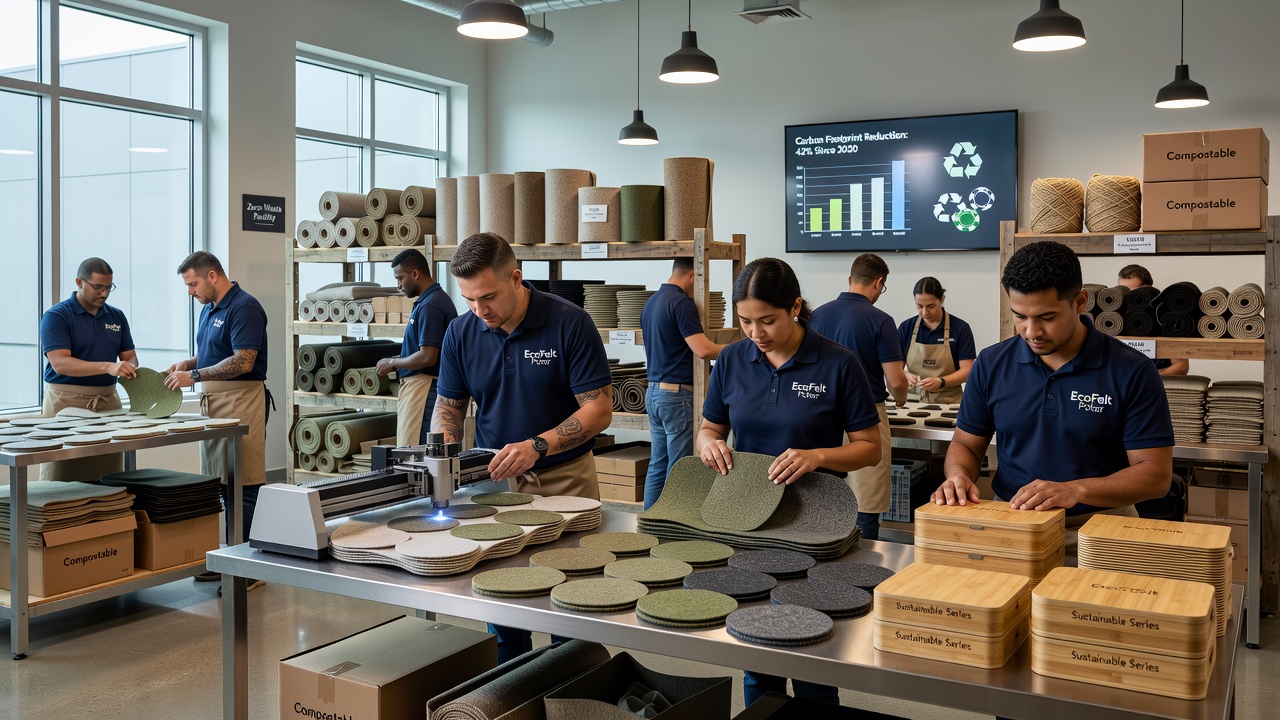
Design teams adjust wall thicknesses and internal ribbing patterns to reduce overall plastic volume without compromising protective qualities during shipping. One production site in Canada reported a 22 percent drop in raw resin purchases after implementing these optimizations in early 2025, according to internal metrics shared with trade associations.
Energy and Waste Management Across Facilities
Plants dedicated to both mats and cases increasingly install solar arrays and heat recovery units that capture process heat for drying operations. Electricity consumption per unit produced has declined in multiple locations following these installations, and operators document the results through annual carbon accounting aligned with international reporting frameworks. Waste segregation programs separate fabric trimmings, plastic sprues, and packaging materials for separate recycling streams, which diverts more than 85 percent of total output from landfills in leading operations.
European manufacturers follow EU Ecodesign requirements that set minimum thresholds for recyclability and hazardous substance limits, while facilities in Australia align with national packaging covenants that encourage reduced material use. These regional standards create parallel pathways that still converge on lower overall resource intensity.
Certification and Traceability Systems
Third-party certifications such as Global Recycled Standard and Cradle to Cradle appear on growing numbers of product labels, and these labels require verified chain-of-custody documentation from fiber suppliers through final assembly. Traceability software now logs batch data at each stage, allowing downstream buyers to confirm recycled content claims. Industry groups report that adoption rates for such certifications rose steadily through mid-2026, driven partly by procurement policies at large casino operators and online retailers.
Supply Chain and Distribution Considerations
Logistics partners consolidate shipments of mats and cases to reduce transport emissions, and some suppliers locate final assembly closer to major North American and Asian markets. Packaging shifts toward reusable totes and minimal cardboard that incorporates recycled content, which further trims weight and volume per shipment. Observers tracking these adjustments note corresponding reductions in fuel consumption per delivered unit when measured over full calendar years.
Conclusion
Current manufacturing approaches for poker felt mats and chip cases emphasize measurable reductions in virgin materials, energy inputs, and waste outputs through targeted material substitutions and process refinements. Ongoing data collection from regulatory agencies and industry associations continues to quantify these shifts, and facilities maintain records that support verification of environmental performance claims across different production regions.