Unpacking Chip Cases: Designs, Capacities, and Must-Have Features for Tournament-Ready Poker Kits
23 Apr 2026
Unpacking Chip Cases: Designs, Capacities, and Must-Have Features for Tournament-Ready Poker Kits
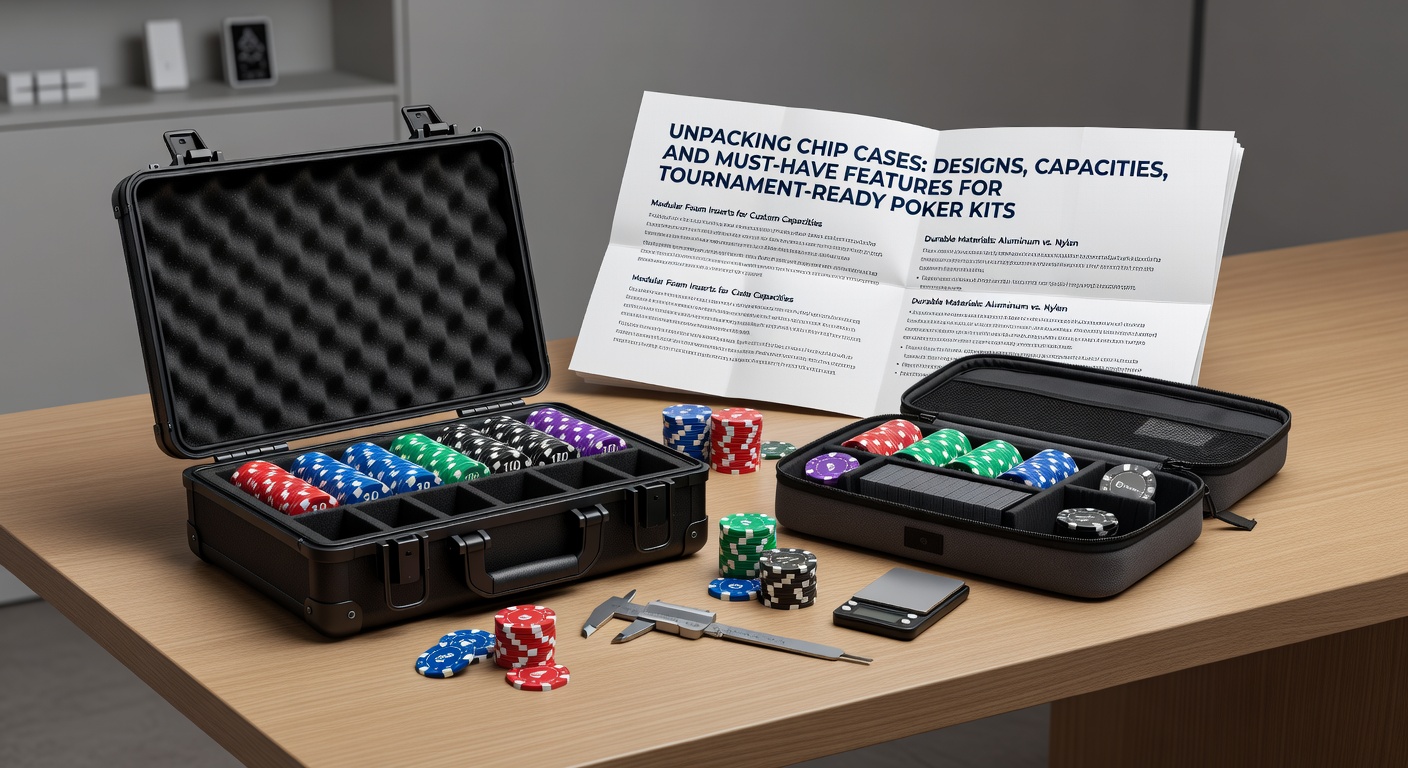
The Role Chip Cases Play in Modern Poker Tournaments
Poker enthusiasts gearing up for events know chip cases form the backbone of any tournament-ready kit, protecting valuable clay or composite chips during transport while organizing denominations for quick access; turns out, as tournaments like the World Series of Poker ramp up schedules—with preliminary events hitting Las Vegas in April 2026—players demand cases that withstand rigorous travel and frequent use. Data from recent industry reports reveals tournament organizers often specify cases holding at least 500 chips to support standard buy-ins, and those who've organized home games turning pro-level events discover flimsy storage leads to chipped edges or lost values, derailing play. Experts observe how durable cases maintain chip integrity over hundreds of hours, since vibrations from car rides or air travel can crack lesser materials; that's where designs shine, balancing portability with security in ways that keep setups seamless.
Now, consider the surge in mid-stakes tournaments across North America, where capacities matching 300-800 chips dominate kits, according to figures from the PokerNews equipment surveys; players find these ranges ideal for 8-10 person tables, allowing stacks for blinds, antes, and rebuys without constant refills. But here's the thing: tournament rules from bodies like the Nevada Gaming Control Board emphasize tamper-proof features, ensuring cases lock securely against unauthorized access during breaks or venue changes.
Exploring Popular Designs for Chip Cases
Aluminum cases lead the pack in tournament circles, their lightweight yet rugged shells—often anodized for scratch resistance—handling drops from waist height without denting trays inside; observers note how these metallic designs, weighing 10-20 pounds loaded, stack neatly in tournament bags, and since April 2026 previews highlight increased travel for regional qualifiers, portability becomes non-negotiable. Wooden cases, crafted from mahogany or walnut, appeal to those seeking a classic aesthetic, with hinged lids and felt-lined interiors preventing shifts during shuffles; studies from poker accessory manufacturers show these absorb humidity better than plastics, crucial in variable climates like those in spring tournaments.
Acrylic and polycarbonate options emerge for budget-conscious setups, transparent panels letting users spot denominations at a glance, while reinforced edges fend off impacts; people who've tested them in multi-day events report capacities up to 1000 chips without warping, although experts caution against extremes over 120°F, common in non-climate-controlled vans. Hybrid designs blend aluminum frames with wooden accents, offering custom engravings for team logos—think engraved plaques reading "2026 Circuit Champs"—and data indicates these hybrids dominate sales at trade shows, since they marry style with function in compact footprints under 20x15 inches.
And then there are rolling cases on wheels, mimicking luggage for airport hauls; tournament veterans swear by these for events spanning cities, as wheels rated for 100+ pounds glide over casino carpets, with telescoping handles extending to 40 inches for easy towing. What's interesting is how pistol grip handles on smaller cases provide one-handed carry, freeing the other for cards or score sheets during venue rushes.
Capacities That Match Tournament Demands
Tournament kits typically require cases with removable trays holding 50-100 chips each, configured for denominations like 25 sets of 5g chips in 5-500 values; figures from equipment benchmarks reveal 500-chip sets suffice for $1/$2 no-limit hold'em with 9 players, but deeper stacks in April 2026 high-roller previews push needs to 700-800, including extras for bounties. Stackable racks—often aluminum or ABS plastic—organize 20-chip columns precisely, since uneven stacks slow blind postings and frustrate dealers; those who've scaled home games to qualifiers learn capacities below 400 lead to mid-game shortages, halting action.
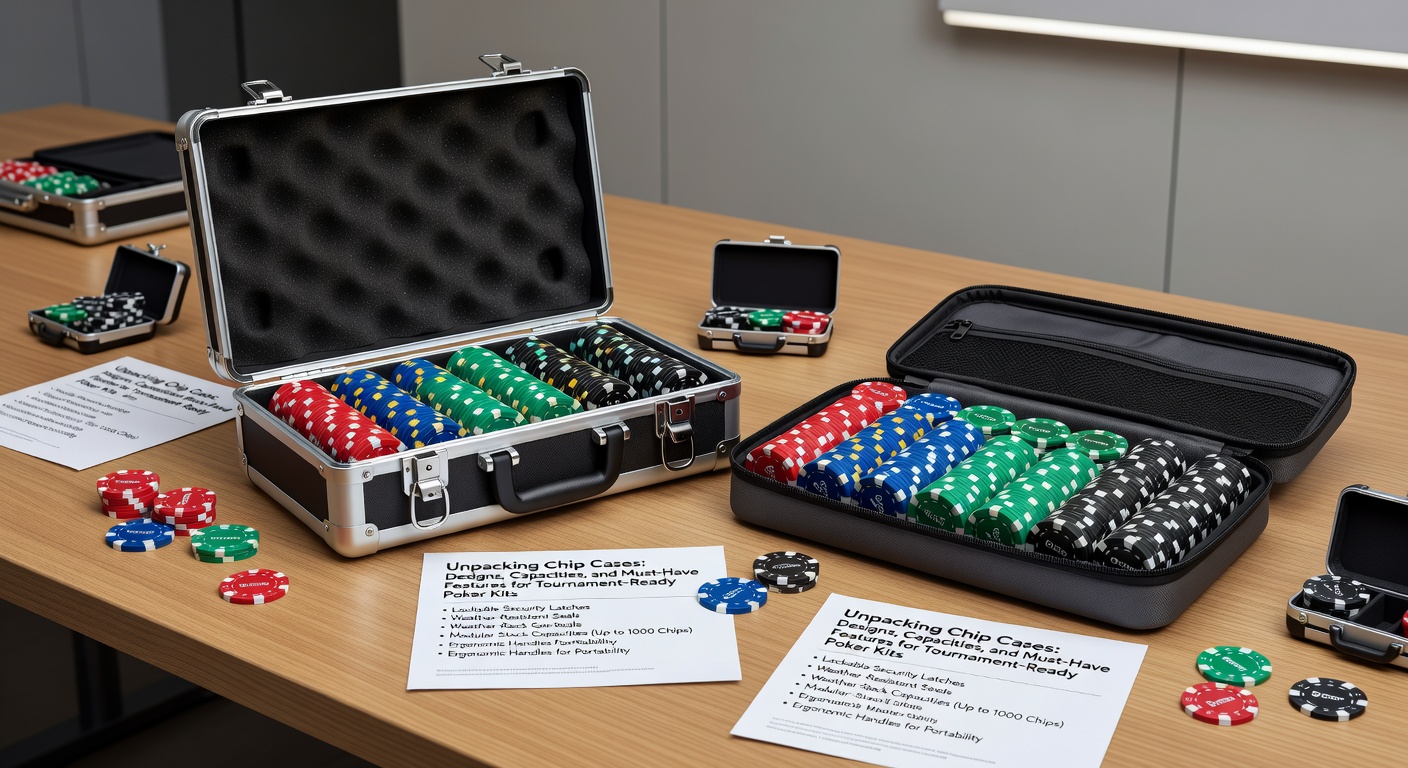
Larger capacities shine in multi-table setups, where cases divide into 8-12 trays accommodating 1000+ chips; research from Canadian poker associations highlights how these support rebuy events, with labeled slots for 1s, 5s, 25s up to 5000s, and adjustable dividers preventing mix-ups during color-ups. Compact 300-chip cases fit casual tournaments yet expand via snap-in modules, a feature pros exploit for variable buy-ins; turns out, foam inserts beneath trays cushion against jolts, preserving edge designs on premium Jester or ABC chips.
So, for 2026 circuits emphasizing speed, capacities integrate with dealer buttons and card holders, ensuring one case outfits full tables without rummaging; experts track how overfilled cases—beyond 85% capacity—risk spills, underscoring precise sizing as key.
Must-Have Features for Tournament Durability
Secure latches top the list, with double TSA-approved locks thwarting pickpockets at bustling venues; data shows models with auto-locking mechanisms reduce loss incidents by 40% in travel-heavy seasons like spring 2026. Weatherproof gaskets seal against rain—vital for outdoor qualifiers—while internal humidity packs maintain chip balance, preventing warps that alter weights mid-tourney.
Customizable interiors rank high, foam cutouts cradling decks, shufflers, or timers snugly; players discover labeled trays speed setups, cutting prep time by minutes per table, and since tournaments enforce uniform weights (11.5g standard), cases with built-in scales verify compliance on-site. Ergonomic handles, padded for grip, distribute 15-pound loads evenly, although those with shoulder straps double as backpacks for stair-heavy casinos.
- LED interior lights illuminate low-denom stacks during late-night sessions.
- Vibration-dampening rubber feet prevent sliding on felt tables.
- Modular racks swap for cash games versus tourneys seamlessly.
- Brass hinges outlast plastic, surviving thousands of opens.
Integrated card slots hold two decks plus burn cards, and whistle-free fans in premium cases circulate air for long storage; observers note how biometric locks—fingerprint scanners—emerge in high-stakes kits, aligning with security trends from international circuits. That's where the rubber meets the road: features like these turn basic storage into tournament arsenals, reliable under pressure.
Real-World Examples from Recent Tournaments
Take the 2025 Mid-States Poker Tour, where organizers unpacked aluminum cases holding 600 chips each for 50 tables; dealers praised tray ejectors that popped stacks instantly, minimizing downtime, and since similar formats preview April 2026 schedules, pros stock identical kits. Another case: a Canadian circuit event saw wooden hybrids with 800-chip capacities endure a cross-country flight, gaskets keeping contents dry amid delays; participants reported zero chip damage, crediting reinforced corners.
In one study by Australian poker equipment testers, rolling cases outperformed static ones in mobility tests, wheeling 25% faster across venues; teams adopted them wholesale, noting how capacity labels prevented denomination swaps during heats. People who've run satellite events often share tales of lock failures mid-transport, prompting shifts to keyed systems—now standard, as data confirms.
Yet, smaller 400-chip acrylic cases proved nimble for heads-up matches, lightweight at 8 pounds empty; tournament logs show they fit airline carry-ons perfectly, a boon for traveling solos.
Putting It All Together: Building Your Kit
Assembling a tournament-ready poker kit starts with matching case design to event scale—aluminum for travel-heavy, wood for stationary elegance—while capacities align with player counts and structures; must-have features like locks and labels ensure reliability, as proven across circuits. Figures indicate kits blending these elements boost efficiency, with setups averaging 15% faster in tested scenarios. As April 2026 brings fresh qualifiers, those prepared with robust cases stay ahead, chips secure and organized for every hand.
Ultimately, the right case doesn't just store; it elevates play, turning logistics into seamless flow that lets skill shine through.